Item (0) Subtotal
$0.00
Promotions
-$0.00
Shipping
TBD
Tax
TBD
CLICK TO ENTER COUPON CODE

The Caterpillar C15 engine has earned a reputation as one of the most durable and widely used diesel engines in heavy-duty trucking and industrial applications. Known for strong pulling power and reliability, the C15 has been a favorite among drivers and fleet owners for years. However, even dependable engines have their quirks, and the C15 is no exception. From head gasket failures to injector issues, there are several Cat C15 engine problems that show up repeatedly in real-world use.
This guide takes a practical look at the most common C15 Cat engine problems, their causes, and the fixes owners rely on. Whether you drive a long-haul truck, operate heavy equipment, or manage a fleet, understanding these issues can help you diagnose early, reduce downtime, and make smarter maintenance decisions.
The Cat C15 is a six-cylinder, 15.2-liter heavy-duty diesel engine first introduced in the early 2000s as a successor to the popular 3406E. Designed for high-horsepower applications, it quickly became a workhorse in trucking, construction, and industrial settings. The C15 was available in a wide range of horsepower ratings—typically between 435 and 625 horsepower—and became a favorite in on-highway trucks, vocational dump trucks, and equipment like scrapers and excavators.
One of the reasons for its popularity is versatility. The engine could be spec’d for long-haul trucking where fuel efficiency and durability mattered, or for heavy equipment where torque and load capacity were essential. The block design and robust internals gave the C15 a reputation for longevity, with many engines reaching over a million miles with proper care.
That said, technology changes during the mid-2000s—especially the introduction of ACERT (Advanced Combustion Emissions Reduction Technology)—added complexity. ACERT engines came with twin turbos, EGR systems, and emissions controls. While this improved compliance with stricter emissions regulations, it also introduced new challenges.
Understanding both the strengths and weaknesses of the Cat C15 is essential. On one hand, it’s reliable, proven, and respected. On the other hand, operators must be prepared for known Cat C15 engine issues that can show up depending on the model year and usage.
Despite its reputation, the C15 isn’t without trouble spots. Owners commonly report coolant leaks, turbocharger wear, injector failures, and complications related to the ACERT emissions system. Some issues are tied to specific years—like 2004 Cat C15 engine problems with early emissions systems or 2007 Cat C15 engine problems involving ACERT reliability. Others are universal, such as head gasket leaks or turbo wear.
The good news? These problems are well-documented, which means solutions are available. Let’s break down the most common C15 Cat engine problems into categories, with practical guidance for each.
Head gasket issues are among the most frustrating Cat C15 engine problems. When the gasket fails, coolant can leak into the combustion chamber, causing white exhaust smoke, overheating, and potential engine damage.
Symptoms to watch for include unexplained coolant loss, bubbles in the radiator, or milky oil indicating coolant contamination. These leaks are often caused by high cylinder pressures, overheating, or improper torqueing of the head bolts.
Prevention starts with routine cooling system checks and keeping an eye on coolant quality. Early detection is critical—if left unchecked, a head gasket failure can escalate to warped cylinder heads or even a full rebuild. When failure occurs, replacement of the gasket and inspection of the cylinder head is the most reliable fix.
Turbochargers are central to the Cat C15’s power delivery, but they’re also common points of failure. Owners report problems like excessive smoke, a high-pitched whistling sound, or noticeable drops in power output.
For the C15, turbo issues often stem from oil starvation, clogged air filters, or worn bearings. Engines with twin-turbo ACERT setups may also experience imbalance or premature wear if one turbo fails before the other.
Diagnosing turbo problems usually involves checking boost pressure with a diagnostic tool and inspecting for excessive shaft play. Solutions range from replacing air filters and repairing oil supply lines to a complete turbo replacement. Regular inspections and oil maintenance are the best ways to prevent these failures.
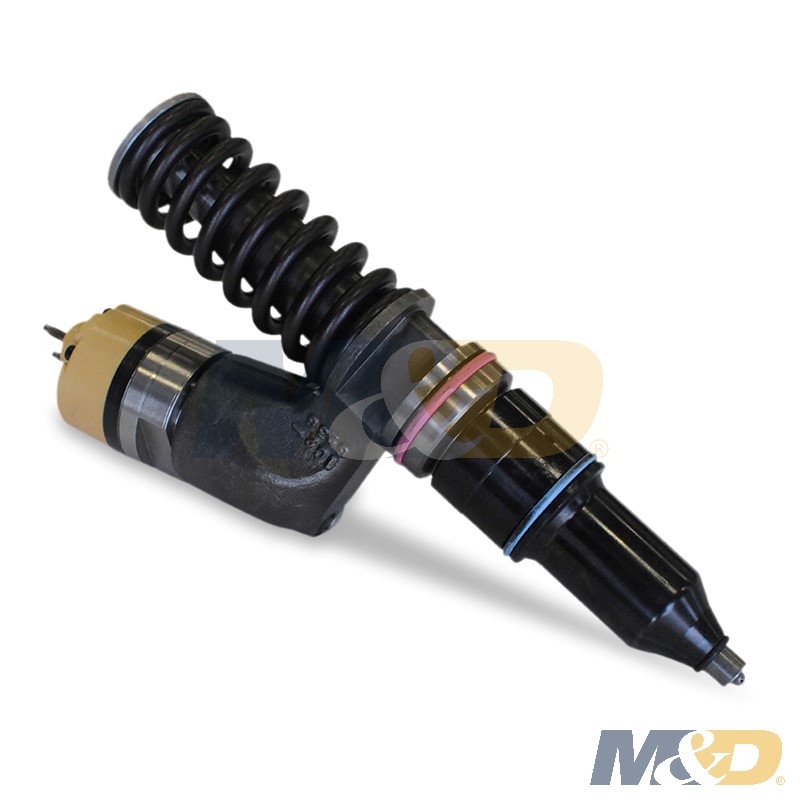
Another set of C15 Cat engine problems revolves around fuel injectors and the cylinder head. Faulty injectors can lead to misfires, hard starting, poor fuel economy, and rough idle. Over time, injector tips can carbon up, or seals can fail, allowing fuel leakage into the oil system.
Cylinder head problems often go hand in hand with injector issues. A cracked head or worn valve seats can cause compression loss, coolant leaks, and starting difficulties. Since injectors rely on precise combustion conditions, head damage magnifies their issues.
Preventive steps include regular fuel system maintenance, using clean diesel, and servicing injectors at recommended intervals. If injector-related misfires persist, it’s important to inspect the cylinder head to rule out cracks or warping.
The ACERT system was Caterpillar’s solution to emissions regulations, but it’s also the source of some of the most frequent Cat C15 engine issues. By using twin turbos and EGR (Exhaust Gas Recirculation), the ACERT design introduced complexity that often translated to reliability challenges.
Common complaints include overheating, vibrations, and reduced fuel economy. Twin turbo setups sometimes fail due to imbalance, while EGR valves and coolers clog with soot. Over time, these issues can lead to increased downtime and higher repair costs.
While ACERT engines deliver impressive performance, the tradeoff is higher maintenance requirements. Solutions include regular cleaning of EGR components, upgrading turbochargers, or even converting to single-turbo setups in certain rebuild scenarios.
Not all C15 engines are created equal. Certain years and models have well-documented issues:
On the other hand, the 6NZ C15—produced before full emissions controls—remains one of the most reliable versions. Many owners specifically seek out the 6NZ for its durability, simpler design, and long service life.
Knowing the history of your engine’s production year is critical when planning maintenance or upgrades.
Early diagnosis is key to minimizing repair costs and downtime. While professional shops use advanced diagnostic software, operators can catch warning signs with simple observation.
Look for symptoms such as:
Keeping a log of these symptoms, paired with regular diagnostic checks, makes it easier to catch small problems before they turn into major failures.
Preventive care is the best way to extend the life of your C15. Regular attention to fluids, filters, and key components can dramatically reduce the risk of costly breakdowns.
Key maintenance steps include:
By following these preventive steps, owners can minimize the risk of major Cat C15 engine problems and keep engines running for hundreds of thousands of miles.
Despite the best maintenance practices, some engines reach a point where small fixes no longer work. Signs it may be time for a major repair or rebuild include:
At this stage, a rebuild may be more cost-effective than ongoing repairs. A rebuild restores compression, replaces worn components, and resets the engine’s service life.
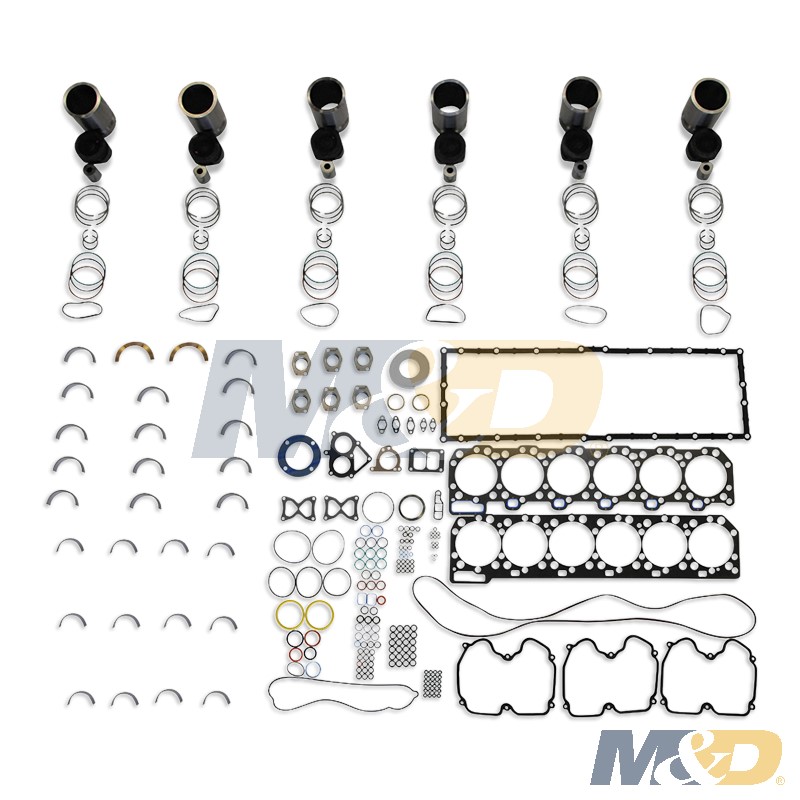
The Diesel Store provides parts, rebuild kits, and expertise to help operators decide when a rebuild is the best option. Partnering with experts ensures you get the right components for your specific model year and application.
Products for Your CAT Engine

The Caterpillar C15 remains a respected engine, known for its strength and reliability. However, understanding its weaknesses—whether head gasket leaks, turbo issues, or ACERT complications—empowers owners to act early. With regular diagnostics and preventive maintenance, most C15 Cat engine problems can be managed before they escalate.
When major repairs become unavoidable, having access to trusted parts and professional support makes all the difference. For rebuild kits, components, and expert guidance, The Diesel Store is a go-to partner for keeping your Cat C15 running strong.