Item (0) Subtotal
$0.00
Promotions
-$0.00
Shipping
TBD
Tax
TBD
CLICK TO ENTER COUPON CODE

A Cummins diesel engine is built to run for years, but heat, load, and mileage eventually wear down rings, bearings, and sealing surfaces. When that wear shows up as low compression, rising oil consumption, weak starting, or softer pulling power, rebuilding can be a smart alternative to replacing the entire engine. A cummins diesel engine rebuild renews critical clearances, improves oil control, and can return dependable starting and torque. This guide explains when a rebuild makes sense, how to plan the job, what tools and kits you will need, and how to protect the engine after the first start.
The best time to rebuild is when symptoms point to internal wear, but before a failure creates extra damage. Common indicators include low compression, long cranking, excessive blow by from the breather, rising oil consumption, low oil pressure when hot, or a consistent knock that increases under load. You might also see declining fuel economy or smoke that does not improve after basic service. High mileage alone does not require a rebuild, but high mileage paired with weak test results usually means internal clearances are no longer where they should be.
Rebuilding makes sense when the core is still rebuildable. If the block is not cracked, the crankshaft can be machined within limits, and the head is serviceable, a rebuild lets you reset the engine to specification. That improves starting, smoothness, and durability, and it prevents you from chasing external fixes while the real problem is inside the rotating assembly.
From a cost standpoint, rebuilding often wins when the rest of the vehicle or equipment is in good condition. You keep the known history of your engine, avoid wiring and calibration surprises, and control parts quality. If you need predictable turnaround and warranty coverage, partnering with a shop for a cummins rebuild service can also reduce risk, especially when measurements and machining require specialized tools.
Planning begins with scope. Decide whether you are doing a refresh, such as rings and bearings with limited machining, or a full rebuild that includes machining, head work, and replacement of major wear items. Your duty cycle matters, towing and high load use usually justify more thorough inspection and stronger supporting parts.
Before teardown, run a compression test and review oil analysis if you have it. Confirm fuel and coolant condition, and check for blow by and crankcase pressure. Those baseline numbers help you decide rebuild depth, and they give you a reference point to validate the finished engine after break in. With more confidence.
Next, estimate downtime. A rebuild includes teardown, inspection, machine shop time, parts delivery, assembly, and installation. Build buffer time for findings that change the plan, such as a damaged crank journal or an out of round bore. Budget in categories:
If you are using a shop, request an itemized estimate and confirm warranty terms, plus how they handle parts sizing after machining. For sourcing, stick with suppliers that can match kits to your exact engine code and build year. The Diesel Store can help you select compatible components and support fitment questions once measurements are confirmed.
A rebuild is precision work, and measurement is the difference between a strong engine and a short lived one. Plan for safe lifting, a clean workspace, and tools that verify clearances rather than guess them.
Core tools and equipment include:
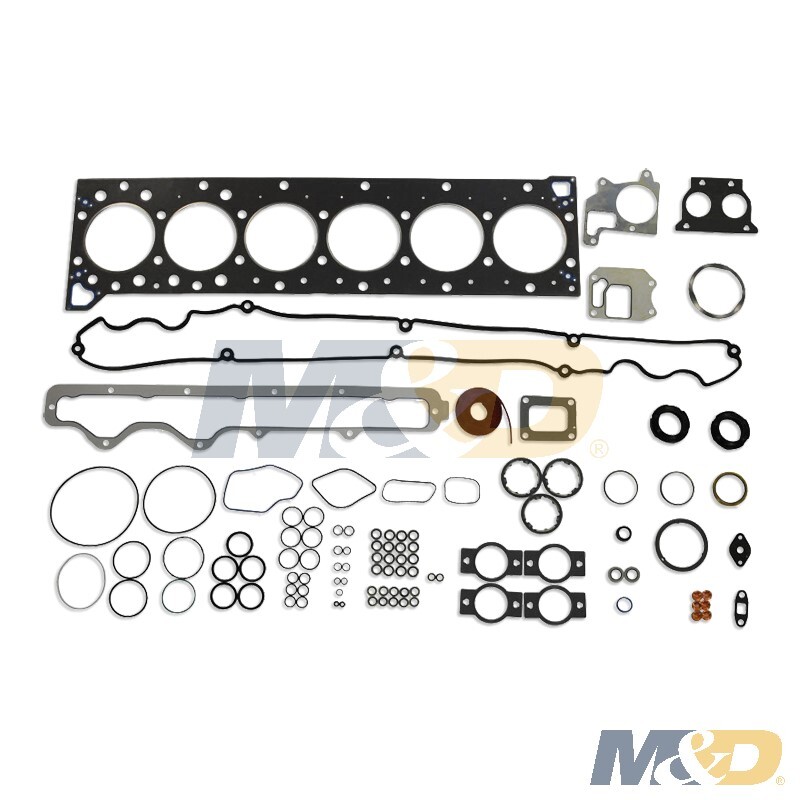
Parts depend on scope, but many rebuilds include a full gasket set, main and rod bearings, pistons and rings, and key seals. Builders often inspect the oil pump and timing components, and they replace hardware when service information requires it. To stay organized, use a cummins engine rebuild checklist that tracks measurements, machining results, part numbers, and assembly steps.
Kit selection must match the engine family. For an isb cummins engine overhaul, you select the kit by build year, then choose standard or oversize components after bore measurements and machine work. Larger platforms such as ISL and ISX may involve additional machining and different kit levels. When you are ready to buy, browse The Diesel Store’s Cummins rebuild kits to match your application.
Products for Your Cummins Engine


A Cummins rebuild follows a repeatable workflow, and the best results come from treating it like a controlled process. Start with documentation. Photograph wiring and sensor routing, label hoses, and tag brackets so reinstallation is simple. If you want quick context on why rebuild priorities can differ by platform, this comparison of Detroit diesel engines vs Cummins is a useful reference. Drain fluids, disconnect batteries, and remove the engine when a stand rebuild is the safest option. In-frame work can be viable on some heavy-duty setups, but cleanliness and measurement standards must stay the same.
Next is teardown. Disassemble methodically, keep parts organized by location, and bag hardware with notes on orientation and fastener patterns. As components come off, look for root-cause clues such as overheating marks, oil starvation scoring, coolant staining, or fuel wash. Fixing the cause matters because a rebuild that ignores it can fail again.
Then clean, inspect, and measure. Professional cleaning for the block and head is strongly recommended to clear oil galleries and coolant passages. Measure cylinder bores for taper and out-of-round, check crank journals, and verify deck and head flatness to decide what needs machining or replacement.
After machining, match parts to finished sizes and confirm critical clearances. Set ring end gaps, verify bearing sizing, and reassemble with proper lubrication and correct torque sequences. Before final installation, pay close attention to the flywheel area, incorrect alignment can create vibration and premature wear, so review proper flywheel installation steps. Prime the oil system before startup, confirm oil pressure immediately, and complete a controlled break-in with an early oil and filter change.
Inspection starts with clean parts and a clean workspace. Remove gasket material without damaging sealing surfaces, and avoid grinding that creates debris. Use professional cleaning for the block and head when possible, because it reaches oil galleries and coolant jackets. After cleaning, chase threads, clear bolt holes, and blow out passages with clean, dry air.
Inspect the block for cracks around main webs, cylinder walls, and deck surfaces. Inspect bores for scoring, ridge wear, and glazing. Inspect the head for warpage, cracks, valve seat damage, and guide wear. Inspect the crankshaft for journal wear and thrust surface damage.
Pay attention to oil cooler and lubrication system components, because debris trapped there can contaminate a fresh build on first start. Record measurements carefully, because they drive machining and parts sizing, not assumptions.
Reassembly quality depends on cleanliness, measurement, and following procedure. Confirm bearing clearances, then lubricate the correct surfaces during assembly. Fit rings to each cylinder and verify the end gap based on service information and the build plan. Assemble rods and pistons with correct orientation, and verify side clearance and crank end play.
Torque specifications vary by engine family, model year, and fastener type, so use the correct service manual for your exact Cummins. Torque in stages, follow the specified sequence, and confirm whether a fastener requires a torque plus angle step.
Replace torque to yield hardware when specified. Before sealing the engine, rotate the crank by hand to confirm smooth movement without binding. Prime the oil system before startup, then monitor oil pressure, coolant temperature, and leaks during the first run.
Cost depends on rebuild scope and engine platform. The major buckets are parts, machining, and labor. Parts include the rebuild kit plus items discovered during teardown, such as a worn turbo, damaged injectors, or a weak oil pump. Machining includes cleaning, boring and honing, deck work, head work, and crank services. Labor depends on whether you do the work yourself or pay a shop.
For many 5.9L and 6.7L applications, a basic rebuild with typical machine work often lands in the mid thousands when the block and head are reusable. Larger platforms trend higher because components cost more and machining scope can expand, which is why isl cummins rebuild cost ranges can vary widely.
To control cost without sacrificing quality, base decisions on measurements. Avoid reusing known wear items that commonly cause repeat failures, and buy complete kits when they prevent mismatches and delays. Also compare rebuild costs against replacement options.
A cummins remanufactured engine can reduce downtime and include a standardized warranty, but it often costs more upfront. When you evaluate that path, consider cummins reman engine cost, lead time, and whether your existing core is strong enough that rebuilding remains the better value.
Break in and early maintenance protect your investment. Prime the oil system before startup. On first start, verify oil pressure immediately and check for leaks. During the first hours, avoid extended idling and avoid sustained heavy load. Instead, vary engine speed and load so rings seat and temperatures stabilize. Follow the builder’s guidance on break in oil, then change oil and filters early to remove initial wear debris.
After the first service, return to disciplined maintenance. Change oil and filters on schedule and shorten intervals for heavy towing or constant load work. Replace fuel filters consistently and buy diesel from high turnover sources. Maintain the cooling system, because overheating can undo your rebuild quickly. Keep intake restriction low with a clean air filter, and address boost leaks early to control heat.
Monitor trends, not just intervals. Watch oil pressure, coolant temperature, and any new noises. Consider periodic oil analysis for hard working engines, because it can reveal fuel dilution, coolant leaks, or elevated wear metals early. When you need maintenance parts, filters, seals, or guidance on service intervals, The Diesel Store can help you source reliable components and keep the rebuilt engine operating as intended.
Rebuilding a Cummins diesel engine is a proven way to restore power and extend service life when the job is planned and executed with precision. Confirm the need with testing and inspection, budget for parts and machining, and use measurement driven part selection. Follow the factory manual for procedures, torque sequences, and verification checks. After the rebuild, protect it with disciplined break in and consistent maintenance.
If you want help selecting the right kit, or you prefer professional support, contact The Diesel Store for rebuild kits, maintenance parts, and practical guidance.